
[Published January 27, 2026]
Since I joined our Energy team in 2019, I’ve had the privilege of leading Ecotrust Canada’s research and advocacy to improve energy security for British Columbia’s most vulnerable households. When I joined the team, there were no programs delivering meaningful, lasting improvements in energy bills and health for the province’s lower-income and rural households. A lot has changed since then!
But the political landscape is shifting once again, with deficit reduction and the U.S. trade war becoming the primary focus of the federal and BC governments. Just as equity-targeted programs like the CleanBC Energy Savings Program have finally been developed and ramped up, they’re at risk of being cut. We rallied organizations to send a clear message to the BC Government: cutting programs that improve daily affordability for at-risk households is exactly the wrong way to balance the budget when times are tough (read our letter here).
The last six years have seen more success than we could have imagined – our long “wish list” has steadily become a list of wins to celebrate:
- Protected BC Hydro’s Customer Crisis Fund from cancellation in 2020 during the pandemic, ensuring customers behind on bills wouldn’t face disconnection. Our advocacy has helped to keep this emergency program funded to this day.
- Exposed deficiencies in BC Hydro’s Energy Conservation Assistance Program (ECAP), which delivered minimal savings through measures like LED bulbs and low-flow showerheads. After years of advocacy, ECAP was expanded in 2025 to include free heat pumps for BC’s lowest-income households.
- Advocated for a dedicated low-income stream within BC’s retrofit incentive program, which led to the CleanBC Income Qualified Program in 2021. The program has reached nearly 30,000 households, providing low- or no-cost upgrades, including heat pumps and insulation, to improve residents’ health and lower their energy bills.
- Led a successful effort from 2023 to 2025 to further expand the Income-Qualified Program into the new CleanBC Energy Savings Program (ESP), enabling lower-income households using electric heat to access full-cost coverage for heat pumps.
- Secured a new flat rate for BC Hydro customers after years of navigating complex regulatory processes – a critical win for rural households paying up to three times the provincial average for electricity.
- Hosted Canada’s first dedicated conferences on ending home energy poverty, bringing together 100+ policymakers and experts in 2023 and 2025.
These aren’t just policy victories on paper – they translate into real relief for struggling British Columbians.
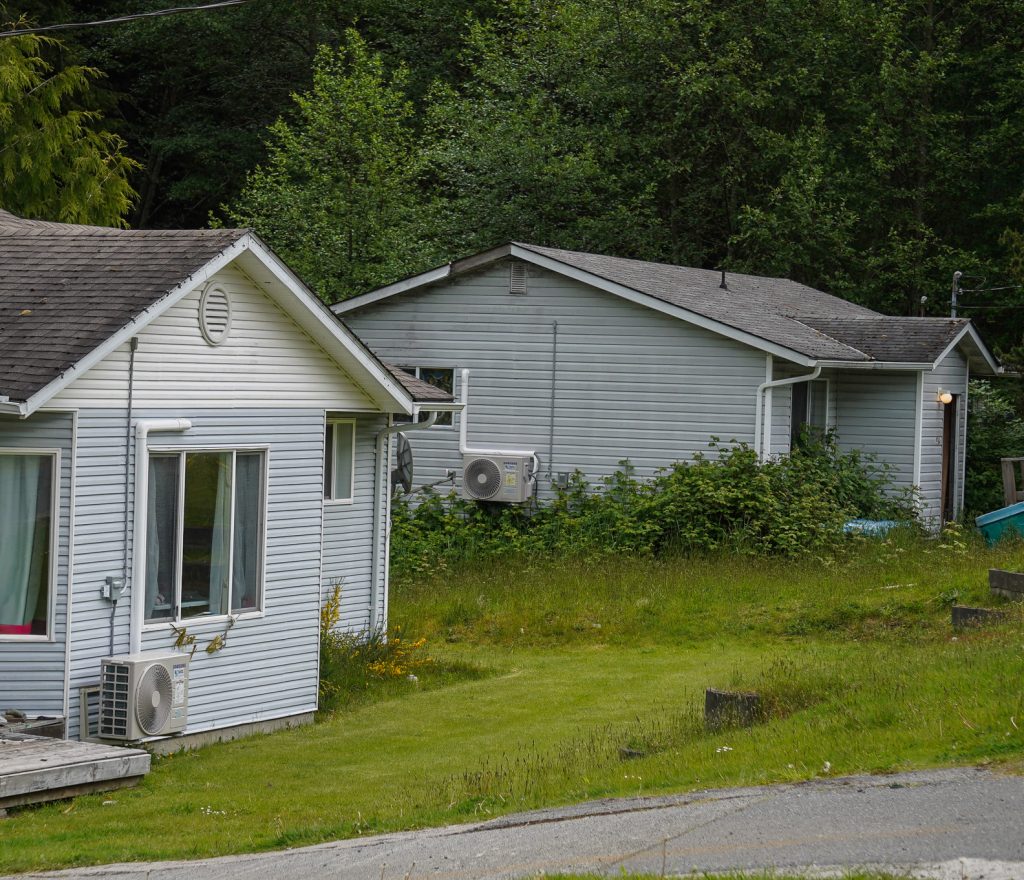
At Ecotrust Canada, through our community project work and our free Home Energy Savings Program, we see the impacts every day. For example, in remote Alert Bay, Jerry Olney received several grants totalling over $23,000 to install a new heat pump, insulation, and an air exchange system. Jerry is now saving money on his monthly energy bills, and he’s living more comfortably in his home. [Watch his story here]. Without programs like the CleanBC Energy Savings Program, lower-income households in BC would not be able to cover the cost of a heat pump, window upgrade, or improved insulation.
This is exactly the wrong time to cut these programs. Vulnerable households are finally accessing potentially lifesaving upgrades that improve their health and lower their bills. BC’s retrofit industry – contractors, trades, and suppliers – depends on this stable funding stream, especially as the economy slows. Cutting the Energy Savings Program would abandon both struggling households and the skilled workers who serve them, undermining the economic and household resilience BC needs to weather current challenges.
There is still a long way to go to achieve our vision of energy security for all, where everyone in this province can enjoy affordable energy bills and healthy homes. BC has made amazing progress toward this goal. As the government deliberates on its 2026 budget amid a US trade war and deficit reduction, we’re reminding them how far we’ve come in six years – and how much more can be done if we keep the momentum going.