
 Things are starting to break. We experience it more frequently in daily life, usually as an inconvenience. Then something more substantial happens – a wildfire breaching city limits, a landslide taking out a vital transportation corridor, a trade war upending whole industries – and we start to sense the underlying fragility of the institutions, systems, and relationships that underpin our lives. No wonder, then, that political attention in Canada has turned to economic security and sovereignty. When things stop feeling certain and safe, we turn to home. But whose home? And who decides what investing in it looks like?
For the rural, remote, and Indigenous communities we work alongside, that question has never been abstract. It’s been their deep connection to place – to home – that has allowed them to endure, to adapt, and ultimately to thrive, under conditions of intense, even radical, change. Yet too often, the decisions that shape their lives, lands, and waters are made far from home.
These are communities where “the economy” has relentlessly worked to extract value, moving it out of place and into a financial system that is a home to no one. Left to run its course, this system will deplete both nature and people, leaving them without the capacity to respond and adapt to change.
Fortunately, our partners are showing us that alternatives exist, and together we are finding new ways to approach economic development so that it builds resilience, as opposed to drawing it down.
In 2026, we had the privilege of co-developing a number of these alternatives, including:
- Directly supporting 850+ small fishing enterprises across the BC coast, while employing 30 community members, hired and trained as fisheries monitors. This work helps keep data and decision-making a shared responsibility with local communities.
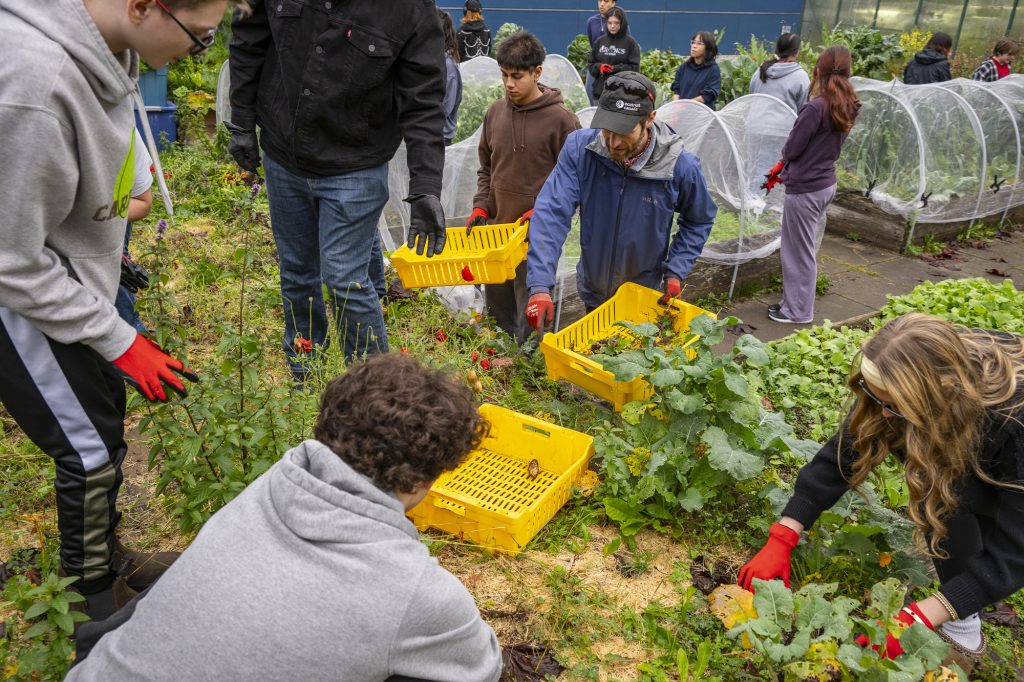
- Building and cultivating school gardens in Prince Rupert to grow more than 2,000lbs of food this year, produced locally instead of trucked in.
- Walking alongside nine First Nations as they build their collective power to shape the future of seaweed farming in BC.
- Partnering with the Kwakiutl Nation on northern Vancouver Island to install 49 heat pumps, with another 37 expected to be completed this winter. Once this round is complete, nearly every home in the community will have a heat pump – helping lower energy bills, improve health, and reduce dependence on fossil fuels.
- Developing a new map of BC’s ecological integrity so that communities and Nations have the information they need to make decisions about how development and conservation are integrated across their lands and waters.
- Creating an open-access multimedia hub to support Indigenous-led community development related to housing and homelands. The hub will feature videos, learning guides, educational illustrations, workshops, and more – launching December 3rd.
- Working with the Nuxalk Nation to describe and map their social and economic assets so they can begin building their own housing, food, and trade networks.
So, by all means, let’s invest in home, but not with the same modes and mechanisms of development that created the precarity we now face. Rather, let’s embrace the opportunity to reinvent, or in some cases, re-establish, community economic development such that decisions about what is developed, by whom, and for whose benefit, rest with the people who call a place home. In doing so, we strengthen not only these communities, but the country as a whole.
Please consider an investment in community resilience by donating to Ecotrust Canada. With your support and our partners’ determination, we will continue to redefine economic development and ensure that home is a place where we can all thrive.

From Home: August’s Story
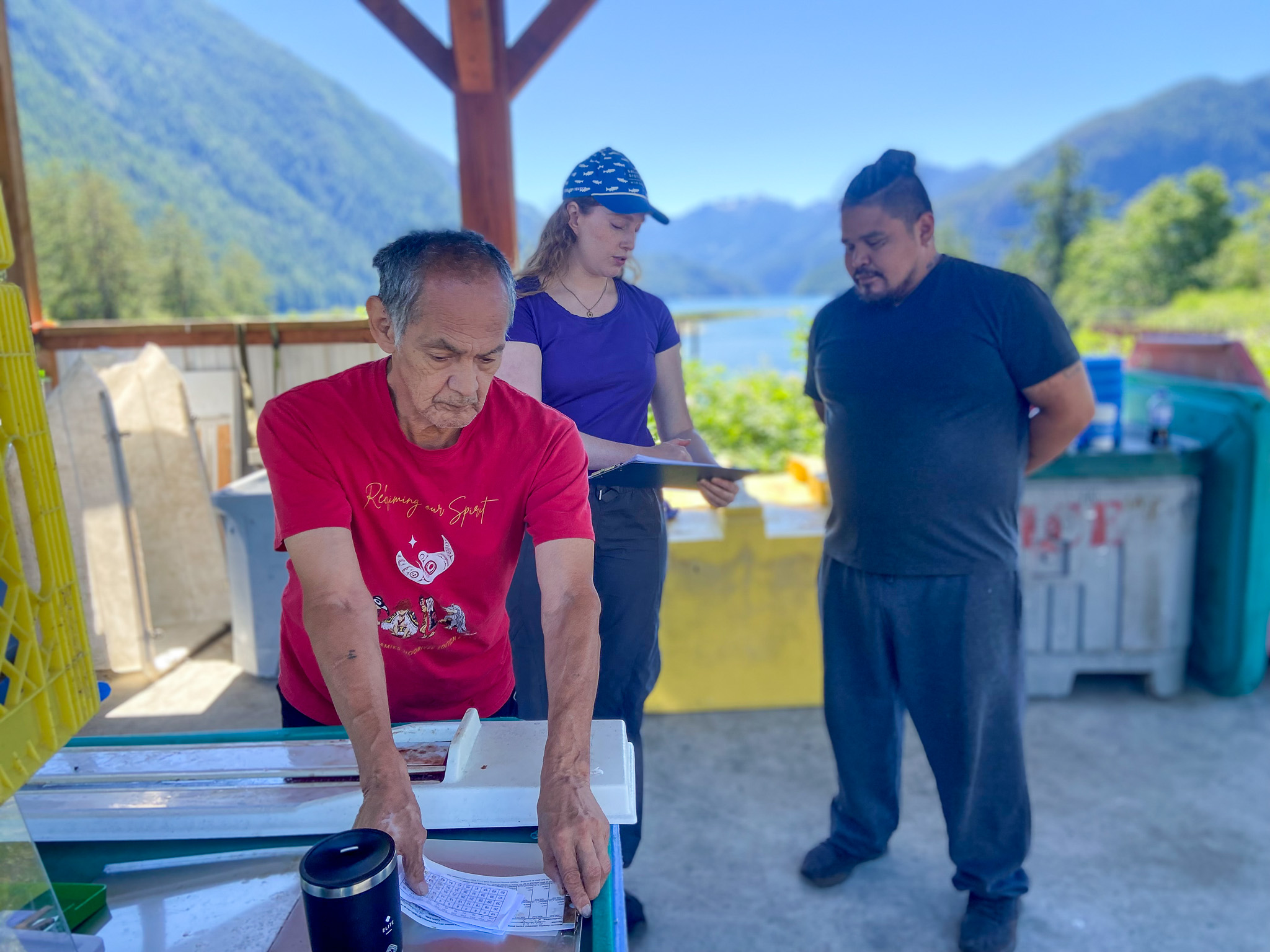
August was four or five years old when he first went fishing with his grandfather. Since then, he’s learned many ways of harvesting salmon, from traditional practices to commercial ones. August is a member of the Mowachaht-Muchalaht Nation. For the past six seasons, he’s worked with us as a dockside monitor in Gold River, BC. He enjoys seeing his fellow Nation members out on the water in the T’aaq-wiihak Fishery. His work helps gather the information needed to manage the fishery sustainably. It’s work done by someone from home who understands both the fishery and the community it feeds.